


8 Ball Legend
4.880.00 Reviews
App Specs
- Version
- 0.2.2
- Updated On
- License
- Free
- Downloads
- 100,000+
- Developer
- XBORDER PTE. LTD.
- Categories
- Sports
- Platform
- Android
Screenshots
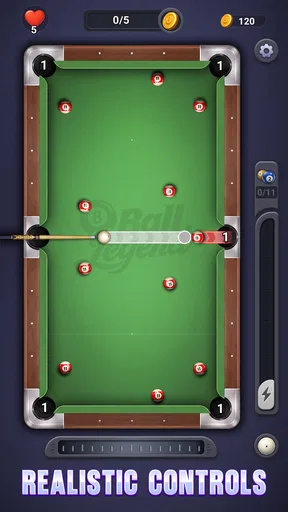
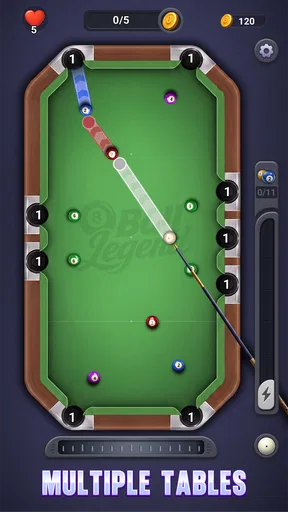
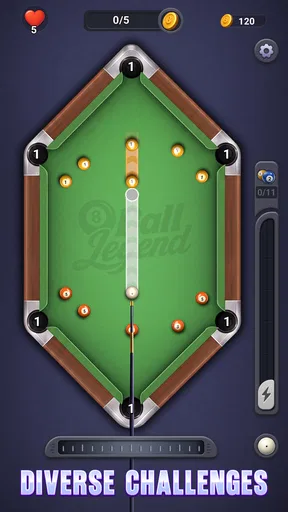
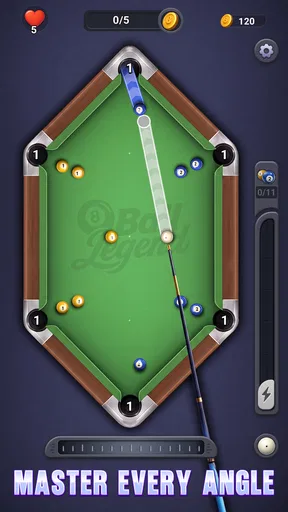


 Analysis by AppCompare
Before installing any mobile pool game, I’d ask myself one practical question: do I want a quick way to enjoy eight-ball, or am I looking for a tool to sharpen my technique? Those goals can overlap, but they lead to different expectations. I see 8 Ball Legend as a casual sports game first, with a scenic three-dimensional presentation that gives familiar pool a more leisurely feel.
That distinction matters when deciding what to try. If you usually open a game for a brief pause between errands, atmosphere and an easy-to-grasp objective may be enough. If you want to study precise shot mechanics or compare your progress over time, I’d make those needs the deciding criteria instead of assuming every pool game serves them equally well.
A quick way to judge the fit
Think about what tends to make you close a pool game. If a plain-looking table loses your interest, a more decorative setting could help keep a casual session enjoyable. If you leave because you cannot tell how to improve, or because you want a specific social or competitive routine, scenery alone will not solve that problem. That is the trade-off I would keep in mind before downloading.
For an everyday example, imagine waiting for a meal or sitting through a short break at home. A familiar eight-ball objective is easy to return to without relearning a complicated setup, and a quick session can feel like a small change of pace. If you have a longer stretch free, you can use the same match to think ahead rather than simply taking the first shot that looks possible.
My useful test is whether I enjoy making the next decision: which ball to target, how safe the attempt is, and what position I might leave afterward. If that planning feels satisfying, the game has a reason to stay on your phone. If your interest depends on a guided lesson, a particular friend-play setup, or a detailed competition structure, I’d look for a game that clearly puts that activity at its center.
When I choose a mobile pool game, I want more than a table that looks good: I want aiming and shot planning to feel satisfying in short sessions, without turning every match into a chore. 8 Ball Legend is a free sports game from XBORDER PTE. LTD. built around that simple appeal. Its presentation leans into three-dimensional tables and scenic views, while the familiar eight-ball format gives players an easy starting point.
The practical question is whether that combination suits the way you like to play. If you want a polished-looking pool game to pick up for a few minutes, it is an appealing option to try. If you are searching for detailed training tools, a broad collection of modes, or a particular online competition system, I would compare it with other pool games before settling in. Those preferences can matter more than attractive scenery.
Worth Reading Before You Choose

EA SPORTS FC Mobile 26 Is a Bigger Football Game, but It Takes Time

Flipboard Shows What News Apps Must Do Beyond the Feed

Switching to Android Auto Means Rethinking Your Driving Routine

Google Calendar Makes a Crowded Week Easier to Manage

Ludo King Makes the Most of the Minutes Between Plans

Baby Panda World Brings Quick Play to Modern Phones, but Its Game Library Feels Busy
What matters when choosing a pool game
I start by asking what I want a pool game to do for me: fill a short pause, make familiar eight-ball feel inviting, or help me improve through deliberate practice. That choice matters more than a striking table, because it shapes how much I’ll value atmosphere versus feedback and structure. I also consider whether I prefer a calm solo session or a clearly defined way to compete with others.
Look beyond the table’s appearance
Pool is easy to understand but difficult to play consistently. A useful mobile version needs to make it comfortable to judge angles, control a shot, and learn from a miss. The visual style can make a table inviting, but it cannot replace clear feedback and dependable controls. I would treat the scenery as a welcome part of the experience, not as proof that the game will suit every serious player.
That distinction helps set expectations for 8 Ball Legend. Its public-facing pitch centers on relaxing, aiming, and winning in a three-dimensional pool setting. That makes it a natural fit for someone drawn to the atmosphere of pool and the familiar objective of eight-ball. It is less of an obvious first choice for a player whose main priority is structured coaching, deep customization, or a competitive ladder they can study before downloading.
Consider how you actually play
Think about the gaps in your day when you would open a game. A casual player might want one or two matches while waiting for a friend or winding down after work. A more methodical player may prefer to spend a longer session repeating difficult shots and tracking improvement. Those are different needs, even though both people enjoy pool.
For short breaks, a straightforward pool game has a useful advantage: you already understand the basic goal, so you can spend your attention on the shot rather than learning a complicated setting. For deliberate practice, however, I would look for an alternative that clearly explains its training options and lets you build a repeatable routine. The right choice depends less on genre labels than on what you want a session to accomplish.
Where 8 Ball Legend makes its case
The appeal here is the combination of recognizable eight-ball and a scenic three-dimensional setting, which can make a brief match feel like a small leisure break rather than another bare-bones game. I’d judge that presentation alongside the pleasure of planning shots: if I find myself thinking about safe angles and what comes next, the experience has something to offer beyond its looks. That is where this game makes its strongest case for me.
A familiar game with a more atmospheric presentation
The strongest reason to give this game a look is the pairing of recognizable eight-ball play with a scenic three-dimensional setting. Pool has a naturally readable rhythm: assess the table, pick a target, and decide how much risk to take. A more immersive visual environment can make that routine feel like a small leisure activity rather than a plain exercise in lining up shots.
That atmosphere may be especially appealing if you already enjoy casual sports games but find bare, minimal table designs uninviting. I see the scenery as a mood-setter: it can make opening the game feel pleasant, particularly when you are not trying to treat every shot as a test of skill. Players who value clean, distraction-free views may feel differently, so it is worth judging whether the presentation helps you settle in or competes with your focus.
A sensible low-commitment starting point
The game is free, which lowers the barrier to trying it. It has a 4.8 average from around 11,000 ratings and more than 100,000 installs, signs that many players have chosen to give it a chance. Ratings can help establish that a game has an audience, but they cannot tell you whether its feel, pace, or visual style will match your preferences. I would use them as context, not as a substitute for deciding what kind of pool experience you want.
It is rated for everyone, and the listed minimum operating-system requirement is version 7.0. That makes it broadly approachable for people looking for an all-ages pool game, while device compatibility remains something to check against your own phone or tablet before installing. The current version is 0.2.2, so the version label is also worth keeping in mind if you tend to prefer games with a longer-established release history.
Make your first sessions useful
A small habit can make any pool game more rewarding: after a missed shot, pause briefly and work out whether the problem was your aim, your choice of target, or the position you left for the next shot. That turns a casual round into a little practice without needing a formal lesson. I would also resist trying to force difficult shots early. Choosing a safer route can teach you more about control than repeatedly taking a low-probability attempt.
Another helpful approach is to decide what you want from a session before opening the game. If you have only a few minutes, focus on enjoying a quick match rather than chasing perfect play. If you have more time, pay attention to how you plan the next shot after the current one. That simple change in focus makes eight-ball feel more strategic and gives the scenic presentation room to be part of the experience rather than the whole reason to play.
Who is likely to enjoy it
I would recommend trying 8 Ball Legend if you want a casual pool game with a more decorative three-dimensional look, already enjoy the basic appeal of eight-ball, and prefer a free entry point. It also makes sense for someone who wants an easy game to share the general appeal of pool with younger players, given its everyone rating, while remembering that the person playing still needs to enjoy aiming and thinking ahead.
It is a weaker match if your interest depends on features such as advanced shot tutorials, a particular multiplayer format, detailed cue customization, or offline play. Those are reasonable things to care about, but I would not assume any of them simply because a game belongs to the pool genre. If one is essential to your decision, compare alternatives that describe it clearly and choose on that basis.
When another kind of pool game may suit you better
A different pool game may be a better fit if I need a specific feature to enjoy playing, such as guided practice, a focused competitive structure, or a particular way to play with friends. I wouldn’t treat those needs as minor preferences: they can determine whether I return after the novelty wears off. Comparing games by the activity I want to repeat is more useful than choosing by screenshots alone.
Competitive players should prioritize structure
If you want to measure yourself against other players over time, look for a pool title that makes its competitive structure clear. A scenic table may add charm, but competition-focused players often care more about how opponents are matched, whether progress is tracked, and what happens between games. I would not choose a game based only on its appearance if your real goal is a sustained rivalry or a consistent way to judge improvement.
Likewise, someone who likes learning precise technique may prefer a more instructional alternative. The useful comparison is not simply “realistic” versus “casual.” Ask whether the game helps you understand why a shot worked, whether you can practice a specific skill, and whether the interface lets you repeat the same kind of decision. If those details drive your enjoyment, prioritize them over a broad promise of atmosphere.
Minimalists and collectors have different priorities
Some players want a stripped-back table where nothing pulls attention away from the balls and angles. Others want a game that offers extensive ways to personalize the experience. Those preferences can conflict: a scenic environment may be a plus for one person and visual clutter for another, while a player who enjoys collecting or tuning equipment may find a simpler presentation limiting.
Before switching from another pool game, identify the feature you are actually missing. If you are bored by a plain look, the three-dimensional scenery here could be a good reason to try something different. If you are frustrated by a lack of training depth or a specific social feature, changing to another title that explicitly supports that activity is the more sensible move. This avoids downloading on the strength of a visual impression when the real problem is about how you play.
Be realistic about what a new game changes
Switching pool games does not automatically make your aim better. You still need to adapt to a different interface and learn how its shots feel. Give yourself a few low-pressure sessions before judging whether a new title is a good fit. During that trial, notice whether you can line up shots comfortably, whether the presentation keeps you engaged, and whether you want to return after a miss.
That is a more useful test than expecting instant mastery. If the controls feel intuitive and you enjoy the setting, the game may earn a place in your rotation even if it does not replace a more competitive or practice-oriented title. If you find yourself wishing for a clearly defined feature that another game already offers, there is no need to force the switch. Different pool games can serve different moods.
Switch for a reason, not just for novelty
If you already play another pool title, I would not delete it immediately just to make room for a new look. Try this one as a second option and compare how each feels during the same kind of short session: does the scenery help you relax, or do you prefer a clear table with fewer visual details? Keeping both approaches available can be more useful than expecting one game to handle every mood.
That small side-by-side test also helps answer whether the change is worth the adjustment. A different interface can make familiar shots feel unfamiliar at first, so a few early misses are not necessarily a verdict. What matters is whether the game becomes comfortable after you settle in and whether its particular presentation gives you a reason to return.
A clear recommendation for the right player
I’d recommend trying it if I want casual eight-ball with a more atmospheric look and I’m happy to judge it on that experience. I’d choose another option if structured improvement or a particular competitive routine is my main goal, rather than hoping scenery will make up the difference. Before settling on either, I’d give myself a few relaxed sessions and notice whether the shot decisions—not just the setting—make me want to play again.
Try it for atmosphere and casual play
My recommendation is to give 8 Ball Legend a try if you want an accessible, free way to enjoy eight-ball in a scenic three-dimensional setting. Its appeal is easiest to understand as a combination of familiar pool and a more relaxed visual mood, rather than as a promise of specialized training or a particular competitive ecosystem. That makes it a sensible candidate for short leisure sessions and for players who want the table itself to feel more inviting.
On the other hand, I would steer serious learners and feature-specific players toward alternatives that spell out the tools they need. If you care most about systematic practice, detailed competitive progression, or a certain way to play with friends, make those requirements your checklist. A strong average rating and a sizable audience are encouraging, but neither should override the way you personally want to use a pool game.
The deciding question
Ask yourself whether you want a relaxing game that makes familiar pool look appealing, or a specialized tool for competition and improvement. If the first answer feels right, this is an easy title to consider, especially since trying it does not require an upfront purchase. If the second answer is closer, compare games by their clearly stated play options and learning support instead of relying on presentation alone.
For me, that is the fairest way to judge this sports game: it has a clear audience, and the scenic approach gives it a recognizable personality. Go in for casual eight-ball and a pleasant atmosphere, and you have a good reason to try it. Go in expecting a comprehensive training system or a specific online format, and you may be better served elsewhere.
Pros
- Simple controls make aiming and shooting easy to learn.
- Practice matches offer a low-pressure way to improve your skills.
- A range of pool tables and cues adds visual variety.
- Online matches let you test your abilities against other players.
- Short games work well for quick play sessions.
Cons
- Online play depends on a stable internet connection.
- Skilled opponents can make matches challenging for newcomers.
- Progression may require considerable time to unlock more content.
- Ads or in-app purchases may interrupt the experience.
- Pool physics and shot outcomes may take time to master.
FAQs for 8 Ball Legend
What is 8 Ball Legend, and how do you play it?
8 Ball Legend is a billiards game built around the familiar eight-ball format. Players take turns aiming and striking the cue ball to pocket their assigned group of solids or stripes, then sink the eight ball to win. Before downloading, note that the exact modes and rules can vary by version. Check the current store listing for details about available matches, tutorials, and any online or offline options.
Can I play 8 Ball Legend offline, or do I need an internet connection?
Whether 8 Ball Legend works offline depends on the version and the feature you want to use. Some billiards games offer practice or matches against computer-controlled opponents without a connection, while online multiplayer, leaderboards, and account features typically require internet access. Check the app’s store description and permissions before installing, and expect a connection to be necessary for features that involve other players or synchronized progress.
Is 8 Ball Legend free to download, and does it include in-app purchases or ads?
The download price, advertising, and optional purchases can differ by platform, region, and update, so confirm the current details on the Google Play or Apple App Store listing. A game may be free to install while offering paid items, currency, or other extras, and advertisements may appear during play. Review the listing and purchase settings before downloading, especially if children will use the device.
Is 8 Ball Legend suitable for beginners, and are the controls easy to learn?
The basic aim of eight-ball is straightforward, but lining up accurate shots and judging power can take practice. Look for guidance in the game, such as a tutorial, aiming aids, or practice matches, since these features are not guaranteed in every version. Beginners should also check whether the game lets them adjust shot strength or play against easier opponents before entering competitive matches.
What devices support 8 Ball Legend, and what should I check before installing it?
Compatibility depends on the specific release, operating system, and device. Before downloading, open the official store listing for your Android phone or tablet, or your iPhone or iPad, and check the minimum OS version, required storage, and any stated device restrictions. It is also sensible to review recent user feedback and the developer information, since availability and performance may change after updates.


